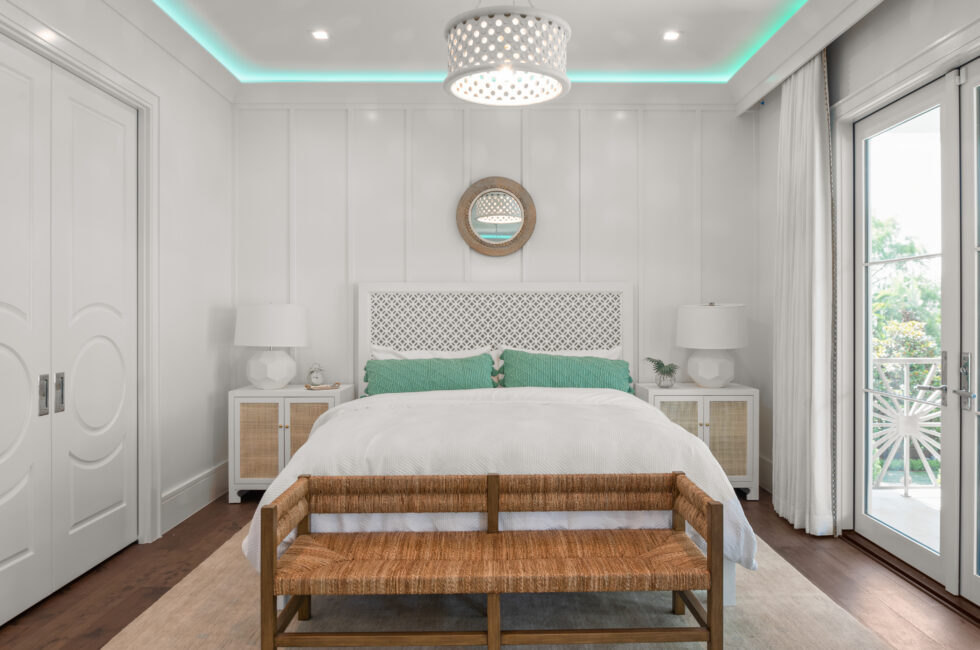
Welcome to the world of wainscoting, a timeless wall treatment that adds character, protection, and value to your home. At Wolfe-Rizor Interiors, we understand the transformative power of well-designed interiors. With over 26 years of experience, our talents and passion combine to create a clear vision—a unified concept of how a space should be perceived, enjoyed, and remembered. Today, we’ll dive deep into the art and science of wainscoting, exploring its types, benefits, popular styles, and the best rooms to incorporate this elegant feature into your home.
What is Wainscoting?
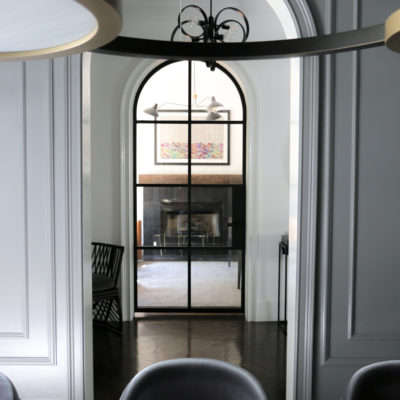
Wainscoting refers to the decorative paneling applied to the lower portion of walls. Traditionally, it extends up to chair-rail height (about 32-36 inches), but modern designs can reach higher. Originating in the 16th century, wainscoting was initially used for insulation, protection against wear and tear, and covering up damp walls. Today, it serves primarily as a decorative element that adds elegance and sophistication to any room, especially living room walls.
Types of Wainscoting
Wainscoting comes in various styles, each offering a distinct aesthetic:
- Beadboard: Featuring narrow, vertical planks with a small ridge (or bead) between each board, beadboard wainscoting is ideal for creating a cottage or coastal look.
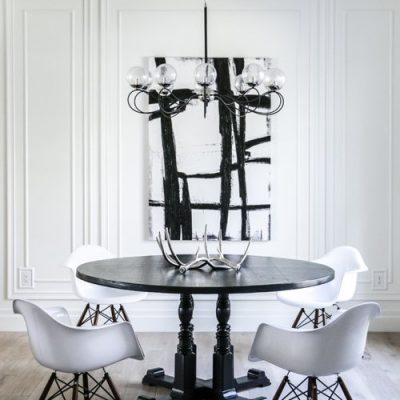
- Raised Panel: This classic style features panels that are raised above the rails and stiles, offering a formal, traditional appearance perfect for dining rooms and entryways.
- Flat Panel: Also known as recessed panel wainscoting, this style has panels that sit flat with the stiles and rails, creating a clean and modern look.
- Board and Batten: This rustic style involves wide vertical boards separated by narrower battens, adding a farmhouse charm to any space.
- Overlay: Combining elements of raised panel and flat panel wainscoting, overlay wainscoting features additional moldings that create a layered effect.
The Benefits of Wainscoting
Wainscoting offers numerous benefits beyond its aesthetic appeal:
- Enhanced Durability:
Wainscoting protects walls from scuffs, scratches, and dents, particularly in high-traffic areas such as hallways, kitchens, and bathrooms. This added layer of protection ensures your walls remain pristine for longer. - Increased Home Value:
Quality wainscoting can increase your home’s value by adding architectural interest and a sense of timeless elegance. Potential buyers often appreciate the charm and sophistication it brings to a space. - Improved Insulation:
While modern wainscoting isn’t primarily used for insulation, it can still provide an additional barrier against drafts, helping to maintain a comfortable temperature in your home. - Versatile Design:
Wainscoting is incredibly versatile, complementing various interior styles from traditional to contemporary. It can be painted, stained, or left natural, allowing endless customization options to suit your taste.
Popular Wainscoting Styles
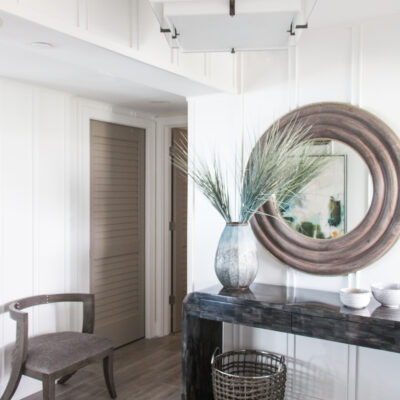
When it comes to choosing the right wainscoting style for your home, it’s essential to understand the unique characteristics and benefits of each option. Here are some popular styles that homeowners and designers love:
- Shiplap Wainscoting:
Shiplap wainscoting has gained popularity in recent years, thanks to its clean lines and contemporary appeal. This style features horizontal planks with slight gaps between them, creating a sleek and modern look. Shiplap is perfect for achieving a minimalist aesthetic while adding texture to your walls. - Shadow Box Wainscoting:
Shadow box wainscoting, also known as picture frame wainscoting, involves creating a series of rectangular or square frames on the wall. This style adds depth and visual interest, making it an excellent choice for formal dining rooms or living areas. - Tongue and Groove Wainscoting:
Tongue and groove wainscoting features interlocking boards that fit together seamlessly. This style can be installed vertically or horizontally and is known for its durability and classic appearance. It’s a versatile option that works well in both traditional and contemporary spaces.
What Rooms Should Have Wainscoting?
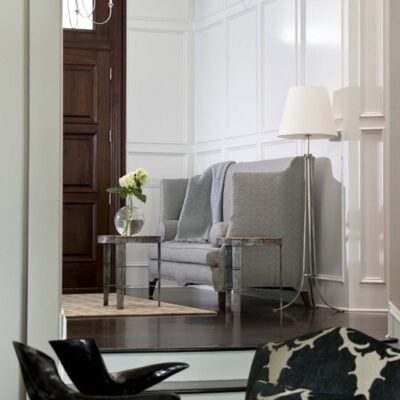
Wainscoting is a versatile design element that can enhance the look and feel of various rooms in your home. Here are some spaces where wainscoting truly shines:
- Dining Rooms:
Wainscoting adds a touch of elegance and sophistication to dining rooms, creating a warm and inviting atmosphere. Raised panel or shadow box wainscoting can elevate the space, making it perfect for formal dinners and gatherings. - Entryways and Hallways:
High-traffic areas like entryways and hallways benefit from the durability and protection that wainscoting offers. Beadboard or board and batten wainscoting can add charm and character while safeguarding your walls from scuffs and scratches. - Bathrooms:
Wainscoting in bathrooms not only enhances the visual appeal but also provides an additional layer of moisture protection. Beadboard wainscoting is a popular choice for bathrooms, lending a cozy, cottage-like feel. - Living Rooms:
In living rooms, wainscoting can serve as a stunning backdrop for your furniture and decor. Flat panel or overlay wainscoting adds a touch of sophistication and creates a cohesive look that ties the room together. - Bedrooms:
For bedrooms, wainscoting can create a cozy and intimate ambiance. Tongue and groove wainscoting behind the bed can serve as an accent wall, adding texture and interest to the space.
Our Recommendation
Choosing the right wainscoting for your home depends on your personal style, the room’s function, and your desired aesthetic. To initiate your design adventure, explore our concept development services. At Wolfe-Rizor Interiors, we recommend considering the following factors:
- Style and Aesthetic – Think about the overall style of your home and how wainscoting will complement or enhance that look. For a traditional home, raised panel or shadow box wainscoting might be the best fit. For a more modern or coastal vibe, shiplap or beadboard could be ideal.
- Room Function – Consider the function of the room where you plan to install wainscoting. In high-traffic areas, durability is key, so choose materials that can withstand wear and tear. In spaces where moisture is a concern, like bathrooms, select wainscoting that can handle humidity and occasional splashes.
- Installation and Maintenance – Wainscoting can be a DIY project, but for the best results, professional installation is recommended. Our team at Wolfe-Rizor Interiors has the expertise to ensure your wainscoting looks flawless and lasts for years to come. Regular maintenance, such as dusting and occasional touch-ups, will keep your wainscoting in top condition.
- Budget – Wainscoting can range in cost depending on the material and complexity of the design. Establish a budget before starting your project and choose a style that fits within your financial plan. Remember, quality materials and professional installation are worth the investment for long-lasting beauty.
Conclusion
Wainscoting is a versatile and timeless wall treatment that enhances any space with its elegance and functionality. Whether you’re looking to add a touch of sophistication to your dining room or protect your hallway walls, wainscoting offers endless possibilities. At Wolfe-Rizor Interiors, our expert team can help you select and install the perfect wainscoting style for your home. Explore our services and discover how we can transform your living spaces into works of art. For more inspiration and professional insights, visit our page and let us bring your design dreams to life.

Recognized for their alluring interior spaces, Wolfe-Rizor Interior Principals, Abigail Rizor and Hattie Wolfe, represent unsurpassed attention to detail and luxury. The experienced, collaborative mother and daughter design duo provides turnkey interior solutions. More than decorated rooms, Wolfe-Rizor executes interior spaces designed to encompass a client’s unique lifestyle as they set the tone for elevated ambiance.