
![Key Takeaways Start with a clear layout and focal point to give your living room structure and purpose. Use rugs, furniture placement, and lighting to define zones and create flow in the same space. Balance comfort and style by choosing pieces that support real life while elevating the design. Layer textures, color, and lighting to make the room feel warm, cohesive, and thoughtfully designed. The best living room design reflects your personality and makes your house feel complete and welcoming. Start With the Structure Before You Start Shopping Before you buy new decor, before you swap out pillows, and before you fall in love with a new coffee table, take a breath. Great living room design interior ideas always start with structure. If the layout works, almost everything else becomes easier. When people ask us how to decorate their living room, we often begin with one simple question: What is this room meant to do? Is it your main tv room where the family gathers every evening? Is it a quieter place for reading and rest? Is it part of a living dining layout in an open floor plan? The way you decorate should always support how you live. Once you understand the purpose of the room, the next step is giving it direction. And that begins with identifying a focal point. Establish a Focal Point Every living room needs something that quietly anchors the space. It could be: A fireplace. Built-in bookshelves. A large window that floods the room with light. A meaningful piece of art. A focal point gives the room purpose by creating balance and giving your eyes somewhere to rest. We often recommend arranging your sofa, chairs, and table around this feature so the layout feels intentional rather than scattered. When furniture supports a clear focus, the room immediately feels calmer and more cohesive. With your focal point defined, now we can shape the layout in a way that supports flow and comfort. Define the Layout So the Room Feels Intentional One of the most common challenges in living room design is furniture that feels disconnected. This can happen when: A rug that is too small. Chairs are placed too far apart. A coffee table floating without purpose. When pieces are not visually connected, the room feels unsettled. The good news is that layout can fix that quickly. Let's take a look at how: 1. Anchor the Seating Area With a Rug A properly sized rug should anchor your seating area. At a minimum, the front legs of your sofa and chairs should sit on the rug. In larger rooms, allowing all the furniture legs to sit fully on the rug creates an even more cohesive look. The rug is not just decor, it defines the conversation zone and visually gathers the furniture into one unified arrangement. 2. Pull Furniture Closer Together Many people push furniture against the walls, especially in larger rooms, thinking it will make the space feel more expansive. In reality, it often creates a hollow center. Instead, pull seating inward and keep chairs within comfortable conversation distance. Ideally, people should be able to speak without raising their voices. This simple shift instantly makes the living room feel more intimate and intentional. 3. Use the Sofa to Define Boundaries In an open floor plan, the back of your sofa can act as a soft divider between living spaces. For example: Position the sofa facing the focal point and away from the dining area. Let the back of the sofa subtly mark where the living room ends, and the dining space begins. This is one of the easiest ways to create distinct spaces within the same space without building walls. 4. Float Furniture When Possible Not every piece needs to sit against a wall. Floating furniture, especially in larger living room layouts, can make the room feel thoughtfully designed. A sofa centered on a rug, a pair of chairs facing each other, or a console table behind the sofa can create depth and structure. Floating pieces also improve flow and keep the room from feeling one-dimensional. 5. Create Clear Walkways Layout is not just about where things sit, it is about how people move. Aim for at least 30 to 36 inches of clear walking space in main pathways. People should be able to walk from doors to seating, from the living room to the dining room, and around the coffee table comfortably. Good traffic flow is often invisible when it works well, but very noticeable when it does not. 6. Use Lighting to Reinforce the Layout Lighting can help define zones just as much as furniture. A floor lamp next to a chair creates a reading corner. A statement light fixture above the seating area anchors the room. Overhead lighting above a dining table defines that dining area clearly. Lighting quietly supports the layout and adds depth. 7. Introduce Vertical Anchors Sometimes the layout feels off because everything is at a single height. Use vertical elements like: Built-in bookshelves A tall bookcase Large-scale art Drapery that draws the eye upward These elements help balance the room and prevent the furniture from feeling low and disconnected from the walls. 8. Define Corners With Purpose Empty corners often make a room feel unfinished. Instead of leaving them bare: Add a chair and a side table to create a reading nook. Place a tall plant to soften the space. Use a floor lamp to create a quiet retreat. Defining corners makes the entire room feel considered. When you take the time to thoughtfully arrange your sofa, chairs, coffee table, rugs, and lighting, the room begins to feel settled. The furniture no longer feels scattered, it feels purposeful. If your living room shares space with a dining room, kitchen, or entryway, the next step is learning how to create zones without adding walls. Creating Zones in an Open Floor Plan Many homes today combine the living room and dining room into a single, expansive space. It looks beautiful on paper and feels bright and airy, but without clear definition, it can quickly feel like one large furniture showroom where nothing quite relates to anything else. When you are working with a living room dining room combo layout, the goal is to create distinct spaces that still feel connected. [Source] Here is how we approach it at Wolfe-Rizor Interiors. 1. Start With Rugs as Invisible Boundaries Rugs are one of the most powerful zoning tools in open floor plan living spaces. Place one large area rug under the living room seating area. Ideally, it should anchor the sofa, chairs, and coffee table so that at least the front legs rest on the rug. Then, use a second rug beneath the dining table. Make sure it extends at least 24 inches beyond the dining table on all sides so chairs stay on the rug even when pulled out. Two rugs immediately tell the eye, "This is one area, and that is another." But for cohesion, keep something consistent between them. That might be a shared color tone, a similar texture, or a complementary pattern. This creates unity while still defining the zones. 2. Use Lighting to Reinforce Each Zone Lighting is often overlooked in layout planning, but it is incredibly effective. Center overhead lighting or a chandelier directly above the dining table. This visually anchors the dining area and gives it importance. In the living room portion, use layered lighting. A floor lamp near the sofa, table lamps on side tables, and softer accent lighting create a cozy lounging area that feels separate from the eating space. When each zone has its own lighting moment, the layout feels intentional rather than accidental. [Source] 3. Position the Sofa as a Natural Divider One of the easiest layout strategies is to use the back of the sofa to create a subtle boundary. Instead of pushing the sofa against a wall, float it so it faces the focal point, whether that is a fireplace or a TV room setup. The back of the sofa then becomes the dividing line between the living room and the dining space. You can enhance this by placing: A slim console table behind the sofa A pair of lamps on that console A narrow bench for additional seating This gives structure without closing off the flow. 4. Align Furniture With Purpose In open layouts, alignment matters more than people realize. Keep dining chairs neatly aligned with the dining table. Center the coffee table within the seating area. Ensure the sofa and chairs feel grouped rather than scattered. Small shifts in alignment dramatically improve how the space reads visually. When pieces are slightly off-center or misaligned, the entire room can feel unsettled. 5. Use Vertical Elements to Add Definition Walls are not the only way to divide space. Built-in bookshelves, tall bookcases, or open shelving can create a gentle separation between the living room and dining area without blocking light. In smaller layouts, banquette seating along one wall in the dining space can be one solution. It maximizes seating within a smaller space and clearly defines the dining area while keeping the room open and cohesive. A well-designed banquette also adds warmth and character, especially in an apartment or narrow side layout where square footage matters. 6. Keep a Consistent Color Story Even though you are defining separate zones, the whole space should still feel like one home. Repeat colors throughout: Pull a blue from the living room rug into the dining chair upholstery. Echo wood tones between the coffee table and dining table. Carry metal finishes from lighting into decor accents. This repetition helps the eye move naturally between areas. 7. Protect the Flow Flow is everything in an open floor plan. Leave clear walking paths between the dining area and the living room. Avoid placing furniture where people need to zigzag around it. Aim for at least 30 to 36 inches of clear pathway where possible. The room should feel easy to move through. That ease creates comfort, even if guests cannot quite explain why the space feels so welcoming. Once the layout feels intentional and zones are defined, you can turn your attention to balance within the design itself. Use the 70/30 Rule for Balance Here is a design principle we use often to ensure balance in a space: Seventy percent of the room should feel consistent and grounded. Thirty percent can introduce contrast and personality. You might begin with white walls, a neutral sofa, and wood furniture as your base. Then you layer in blue accent pillows, stunning art, warm throws, or patterned decor. This balance keeps the space cohesive while still allowing for personality and creativity. It is a gentle way to experiment without overwhelming the room. With balance in place, refine the details that often make or break a space. Pay Attention to Proportion and Scale If something feels slightly off in your living room and you cannot explain why, it is often scale. Artwork above a couch should be about two-thirds the width of the sofa. A coffee table should feel proportionate to the seating area. Rugs should anchor all the furniture comfortably. Avoid undersized pieces that make the room feel disjointed. Proper scale brings elegance and harmony. Once the proportion feels right, we can soften the space and add warmth. Layer in Texture for Warmth Texture is what transforms a room from flat to inviting. Here are some of our favorite ways to add texture and warmth: Mix leather with linen. Add a wool throw across the couch. Incorporate wood through tables or shelving. Use woven baskets for storage. Layering textures creates warmth and makes the room feel lived in. This feeling of comfort plays a major role in creating welcoming interiors. Texture brings emotional warmth, not just visual interest. [Source] With texture in placlet'st's soften the lines of the room. Introduce Curves to Add Movement Most living room layouts rely heavily on straight lines. Sofas, walls, doors, and bookcases often create a rigid structure. But by adding curves, you can balance this. Look for decor accents that have curves like: A round coffee table. An arched mirror. A curved chair. Circular lighting. Curves add movement and quiet elegance. With the shape balanced, now it is time to bring life into the room. Bring in Greenery Plants add natural color and warmth. There is something magical about the way plants and greenery can bring a room to life. Here are our simple but effective tips for adding a bit of life to your room: A single potted plant near a window can make a room feel fresh and airy. Greenery adds softness and complements other decor elements beautifully. Natural elements help the room feel vibrant and grounded at the same time, think wood, woven rugs, and linen fabrics. Now that the room feels alive during the day, let's talk about how it feels at night. Layer Your Lighting Lighting is about atmosphere, not just brightness. Relying only on overhead lighting can make a room feel flat. Instead, layer your light sources. Add table lamps near the sofa. Place a floor lamp in a reading corner. Highlight art or built-ins with accent lighting. Layered lighting creates warmth and supports easy entertaining when guests are over. It allows you to adjust mood and function throughout the day. Once the room looks beautiful, it also needs to function beautifully. Make It Functional for Real Life Decorating is not about creating a showroom, you need to think about how your family uses the space. Ask yourself these questions: Where do drinks sit during gatherings? Where do children do homework? Where do guests move during meals in a living room dining room combo layout? Built-ins, bookshelves, and smart storage solutions help maintain order without sacrificing style. A bookcase can define a corner. A well-placed table can double as a dining or work surface. Decorating should support daily life with quiet practicality. Before you feel the need to replace everything, take a look at some of our budget-friendly living room decorating tips. Budget-Friendly Ways to Refresh the Room You do not always need new furniture. Try rearranging what you already own. Move the art to a different wall, shift the sofa, or reposition the seating. A fresh coat of paint can also dramatically change the atmosphere. Even slightly warmer white walls can make the room feel more intentional and inviting. Apartment Therapy highlights how layout adjustments can transform a space. This is something we see happen frequently in our work. After making changes, there is one final step. Test the Layout Before Calling It Done Live in it, walk through the room, sit in every chair, move between the living room, dining room, and kitchen, host guests, and see how the flow feels. We truly believe that good design is tested and not rushed! Designing a Living Room That Feels Like You At the end of the day, how to decorate your living room is not about copying trends. It is about creating a welcoming space that supports lounging, entertaining, relaxing, and gathering. It is about balance, warmth, light, and personality. At Wolfe-Rizor Interiors, we believe living room design and furniture choices should reflect real life. Whether you are designing a TV room, working with an open floor plan, or refreshing a new home, intentional structure and thoughtful styling will always make the difference. If you ever feel unsure, that is what we are here for. We would love to help you create a living room that feels balanced, functional, expansive, and beautifully yours. Contact our team today and let us help you design and decorate the living room of your dreams. Frequently Asked Questions About Living Room Layouts How do I design a dining room that flows with my living room? When designing a dining room that connects to your living room, focus on repeating colors, finishes, and materials throughout the house to create a cohesive look. The best living room inspiration often comes from keeping one consistent palette and layering texture instead of introducing completely new styles. Professional designers are not afraid to mix pieces thoughtfully to achieve balance without making the spaces feel identical. What should I consider when choosing a dining table for an open floor plan? Your dining table should fit the room's scale while allowing comfortable movement around it, especially when chairs are pulled out for food and gatherings. A good rule is to ensure the dining space feels intentional rather than cramped. Many designers suggest using visual boundaries, such as lighting or rugs, to create structure in an open layout. How can I use living room inspiration to decorate my entire house? Living room inspiration is a great starting point because it often sets the tone for the entire house. Look at the colors, textures, and furniture shapes you are drawn to, then repeat those elements in subtle ways in other rooms. Designers often recommend putting together a small mood board so you are not afraid to make decisions with confidence. How do I style a coffee table so it feels finished but not cluttered? Start by putting together a simple grouping that includes height, texture, and one personal piece that reflects your inspiration. Designers often suggest balancing something practical with something decorative so the table works for real life while still looking styled. Do not be afraid to remove one item if it feels crowded, since editing is often the key to achieving a polished look. Are built-ins worth adding to a living room or dining space? Built-ins can completely transform a room by adding storage, structure, and a custom feel that enhances the entire space. They help define zones in open layouts and give you a place to display meaningful decor or store essentials neatly. Designers love built-ins because they deliver both beauty and function, especially in homes where every inch counts](https://www.wolferizor.com/wp-content/uploads/2026/05/Light-and-airy-living-room-with-wicker-furniture-and-a-coastal-feel-980x650.jpeg)
Key Takeaways
- Start with a clear layout and focal point to give your living room structure and purpose.
- Use rugs, furniture placement, and lighting to define zones and create flow in the same space.
- Balance comfort and style by choosing pieces that support real life while elevating the design.
- Layer textures, color, and lighting to make the room feel warm, cohesive, and thoughtfully designed.
- The best living room design reflects your personality and makes your house feel complete and welcoming.
Start With the Structure Before You Start Shopping
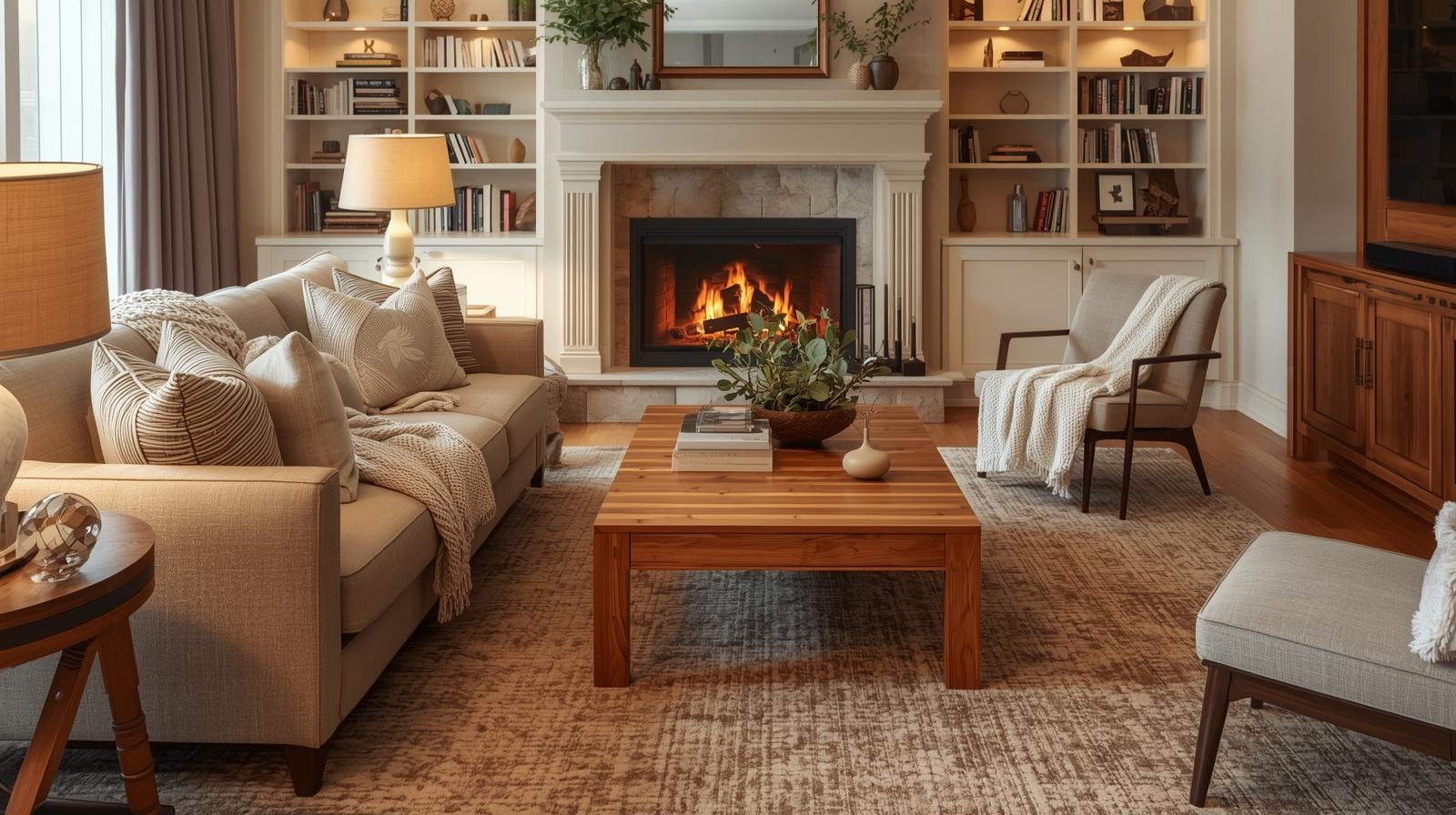
Before you buy new decor, before you swap out pillows, and before you fall in love with a new coffee table, take a breath.
Great living room design interior ideas always start with structure. If the layout works, almost everything else becomes easier.
When people ask us how to decorate their living room, we often begin with one simple question: What is this room meant to do?
- Is it your main tv room where the family gathers every evening?
- Is it a quieter place for reading and rest?
- Is it part of a living dining layout in an open floor plan?
The way you decorate should always support how you live.
Once you understand the purpose of the room, the next step is giving it direction. And that begins with identifying a focal point.
Establish a Focal Point
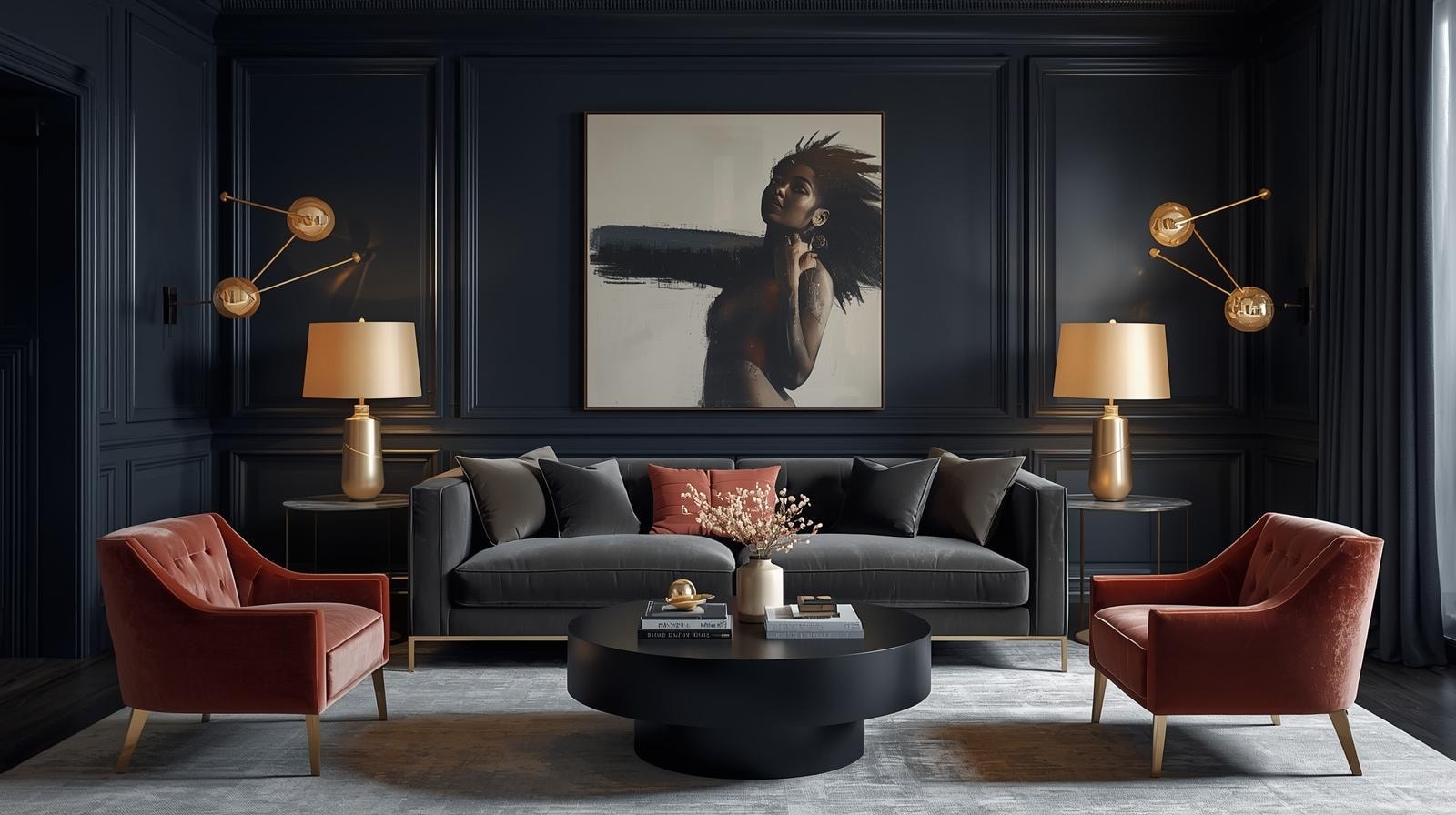
Every living room needs something that quietly anchors the space. It could be:
- A fireplace.
- Built-in bookshelves.
- A large window that floods the room with light.
- A meaningful piece of art.
A focal point gives the room purpose by creating balance and giving your eyes somewhere to rest.
We often recommend arranging your sofa, chairs, and table around this feature so the layout feels intentional rather than scattered.
When furniture supports a clear focus, the room immediately feels calmer and more cohesive.
With your focal point defined, now we can shape the layout in a way that supports flow and comfort.
Define the Layout So the Room Feels Intentional
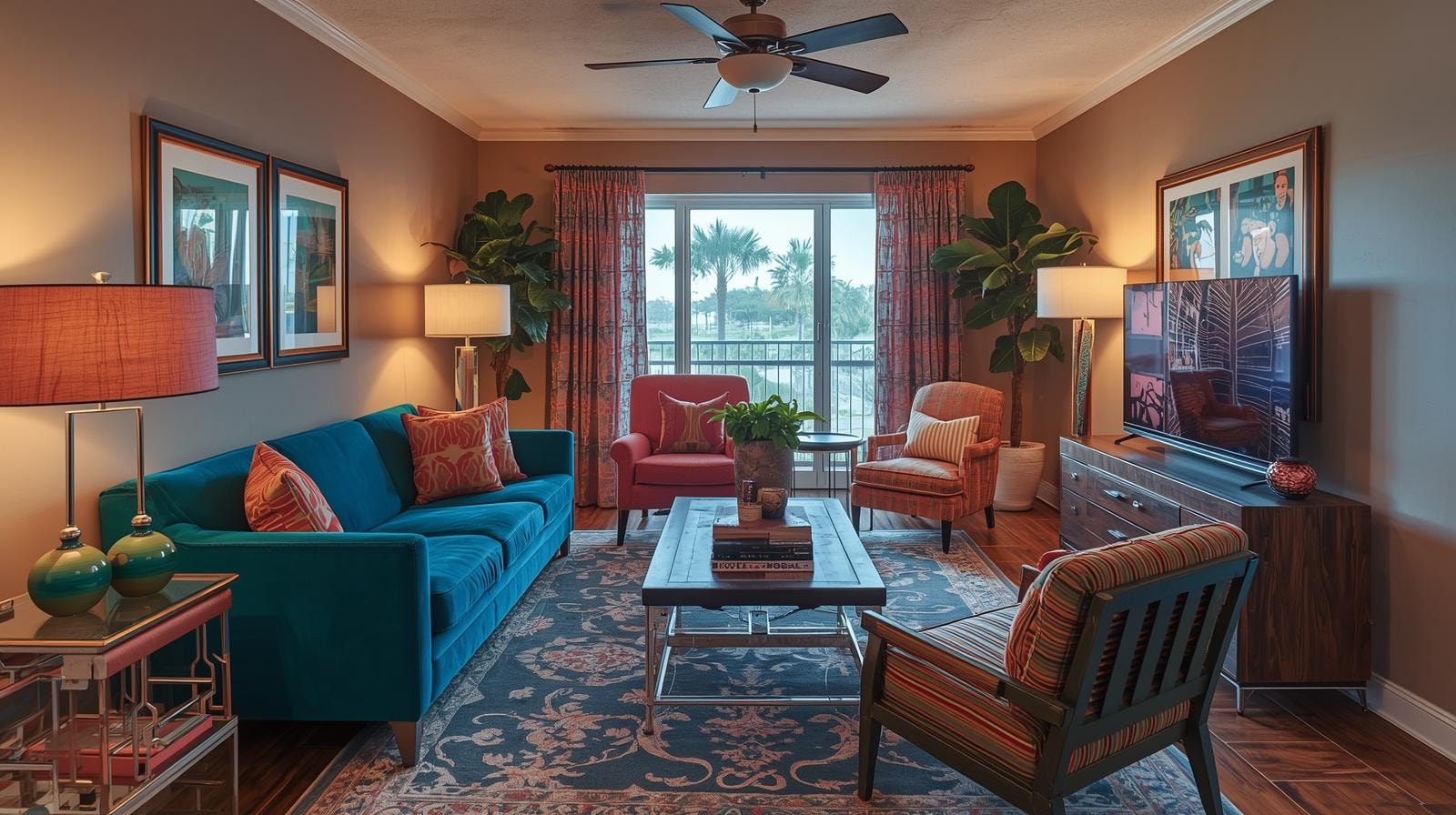
One of the most common challenges in living room design is furniture that feels disconnected. This can happen when:
- A rug that is too small.
- Chairs are placed too far apart.
- A coffee table floating without purpose.
When pieces are not visually connected, the room feels unsettled. The good news is that layout can fix that quickly. Let’s take a look at how:
1. Anchor the Seating Area With a Rug
- A properly sized rug should anchor your seating area.
- At a minimum, the front legs of your sofa and chairs should sit on the rug.
- In larger rooms, allowing all the furniture legs to sit fully on the rug creates an even more cohesive look.
- The rug is not just decor, it defines the conversation zone and visually gathers the furniture into one unified arrangement.
2. Pull Furniture Closer Together
- Many people push furniture against the walls, especially in larger rooms, thinking it will make the space feel more expansive. In reality, it often creates a hollow center.
- Instead, pull seating inward and keep chairs within comfortable conversation distance.
- Ideally, people should be able to speak without raising their voices.
- This simple shift instantly makes the living room feel more intimate and intentional.
3. Use the Sofa to Define Boundaries
In an open floor plan, the back of your sofa can act as a soft divider between living spaces.
For example:
- Position the sofa facing the focal point and away from the dining area.
- Let the back of the sofa subtly mark where the living room ends, and the dining space begins.
This is one of the easiest ways to create distinct spaces within the same space without building walls.
4. Float Furniture When Possible
- Not every piece needs to sit against a wall.
- Floating furniture, especially in larger living room layouts, can make the room feel thoughtfully designed.
- A sofa centered on a rug, a pair of chairs facing each other, or a console table behind the sofa can create depth and structure.
- Floating pieces also improve flow and keep the room from feeling one-dimensional.
5. Create Clear Walkways
- Layout is not just about where things sit, it is about how people move.
- Aim for at least 30 to 36 inches of clear walking space in main pathways.
- People should be able to walk from doors to seating, from the living room to the dining room, and around the coffee table comfortably.
- Good traffic flow is often invisible when it works well, but very noticeable when it does not.
6. Use Lighting to Reinforce the Layout
- Lighting can help define zones just as much as furniture.
- A floor lamp next to a chair creates a reading corner.
- A statement light fixture above the seating area anchors the room.
- Overhead lighting above a dining table defines that dining area clearly.
- Lighting quietly supports the layout and adds depth.
7. Introduce Vertical Anchors
Sometimes the layout feels off because everything is at a single height.
Use vertical elements like:
- Built-in bookshelves
- A tall bookcase
- Large-scale art
- Drapery that draws the eye upward
These elements help balance the room and prevent the furniture from feeling low and disconnected from the walls.
8. Define Corners With Purpose
Empty corners often make a room feel unfinished.
Instead of leaving them bare:
- Add a chair and a side table to create a reading nook.
- Place a tall plant to soften the space.
- Use a floor lamp to create a quiet retreat.
Defining corners makes the entire room feel considered.
When you take the time to thoughtfully arrange your sofa, chairs, coffee table, rugs, and lighting, the room begins to feel settled. The furniture no longer feels scattered, it feels purposeful.
If your living room shares space with a dining room, kitchen, or entryway, the next step is learning how to create zones without adding walls.
Creating Zones in an Open Floor Plan
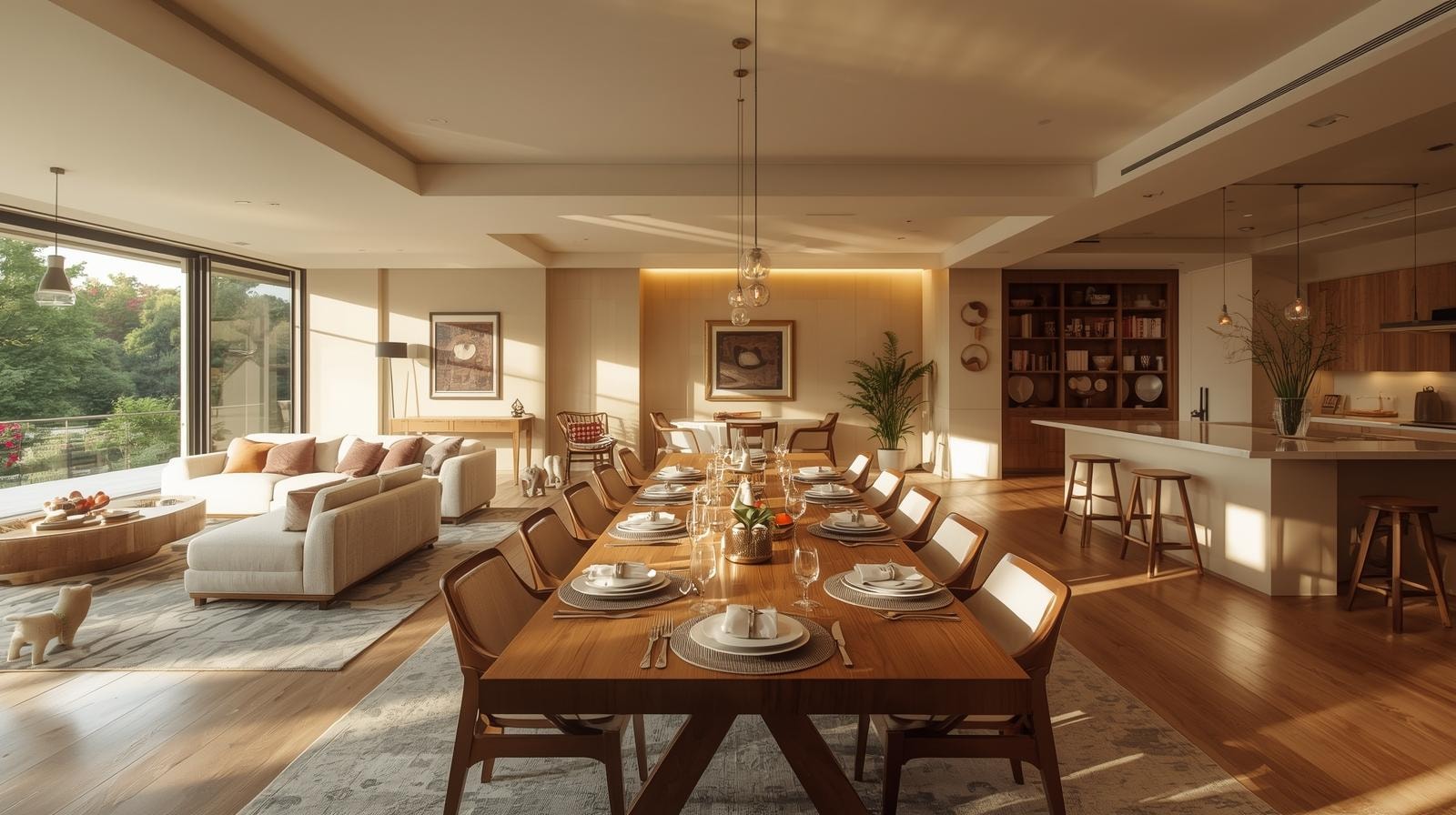
Many homes today combine the living room and dining room into a single, expansive space. It looks beautiful on paper and feels bright and airy, but without clear definition, it can quickly feel like one large furniture showroom where nothing quite relates to anything else.
When you are working with a living room dining room combo layout, the goal is to create distinct spaces that still feel connected. [Source]
Here is how we approach it at Wolfe-Rizor Interiors.
1. Start With Rugs as Invisible Boundaries
Rugs are one of the most powerful zoning tools in open floor plan living spaces.
- Place one large area rug under the living room seating area. Ideally, it should anchor the sofa, chairs, and coffee table so that at least the front legs rest on the rug.
- Then, use a second rug beneath the dining table. Make sure it extends at least 24 inches beyond the dining table on all sides so chairs stay on the rug even when pulled out.
- Two rugs immediately tell the eye, “This is one area, and that is another.”
- But for cohesion, keep something consistent between them. That might be a shared color tone, a similar texture, or a complementary pattern. This creates unity while still defining the zones.
2. Use Lighting to Reinforce Each Zone
- Lighting is often overlooked in layout planning, but it is incredibly effective.
- Center overhead lighting or a chandelier directly above the dining table. This visually anchors the dining area and gives it importance.
- In the living room portion, use layered lighting. A floor lamp near the sofa, table lamps on side tables, and softer accent lighting create a cozy lounging area that feels separate from the eating space.
- When each zone has its own lighting moment, the layout feels intentional rather than accidental. [Source]
3. Position the Sofa as a Natural Divider
One of the easiest layout strategies is to use the back of the sofa to create a subtle boundary.
Instead of pushing the sofa against a wall, float it so it faces the focal point, whether that is a fireplace or a TV room setup. The back of the sofa then becomes the dividing line between the living room and the dining space.
You can enhance this by placing:
- A slim console table behind the sofa
- A pair of lamps on that console
- A narrow bench for additional seating
This gives structure without closing off the flow.
4. Align Furniture With Purpose
In open layouts, alignment matters more than people realize.
- Keep dining chairs neatly aligned with the dining table.
- Center the coffee table within the seating area.
- Ensure the sofa and chairs feel grouped rather than scattered.
Small shifts in alignment dramatically improve how the space reads visually. When pieces are slightly off-center or misaligned, the entire room can feel unsettled.
5. Use Vertical Elements to Add Definition
Walls are not the only way to divide space.
- Built-in bookshelves, tall bookcases, or open shelving can create a gentle separation between the living room and dining area without blocking light.
- In smaller layouts, banquette seating along one wall in the dining space can be one solution. It maximizes seating within a smaller space and clearly defines the dining area while keeping the room open and cohesive.
- A well-designed banquette also adds warmth and character, especially in an apartment or narrow side layout where square footage matters.
6. Keep a Consistent Color Story
Even though you are defining separate zones, the whole space should still feel like one home.
Repeat colors throughout:
- Pull a blue from the living room rug into the dining chair upholstery.
- Echo wood tones between the coffee table and dining table.
- Carry metal finishes from lighting into decor accents.
This repetition helps the eye move naturally between areas.
7. Protect the Flow
Flow is everything in an open floor plan.
- Leave clear walking paths between the dining area and the living room.
- Avoid placing furniture where people need to zigzag around it.
- Aim for at least 30 to 36 inches of clear pathway where possible.
The room should feel easy to move through. That ease creates comfort, even if guests cannot quite explain why the space feels so welcoming.
Once the layout feels intentional and zones are defined, you can turn your attention to balance within the design itself.
Use the 70/30 Rule for Balance
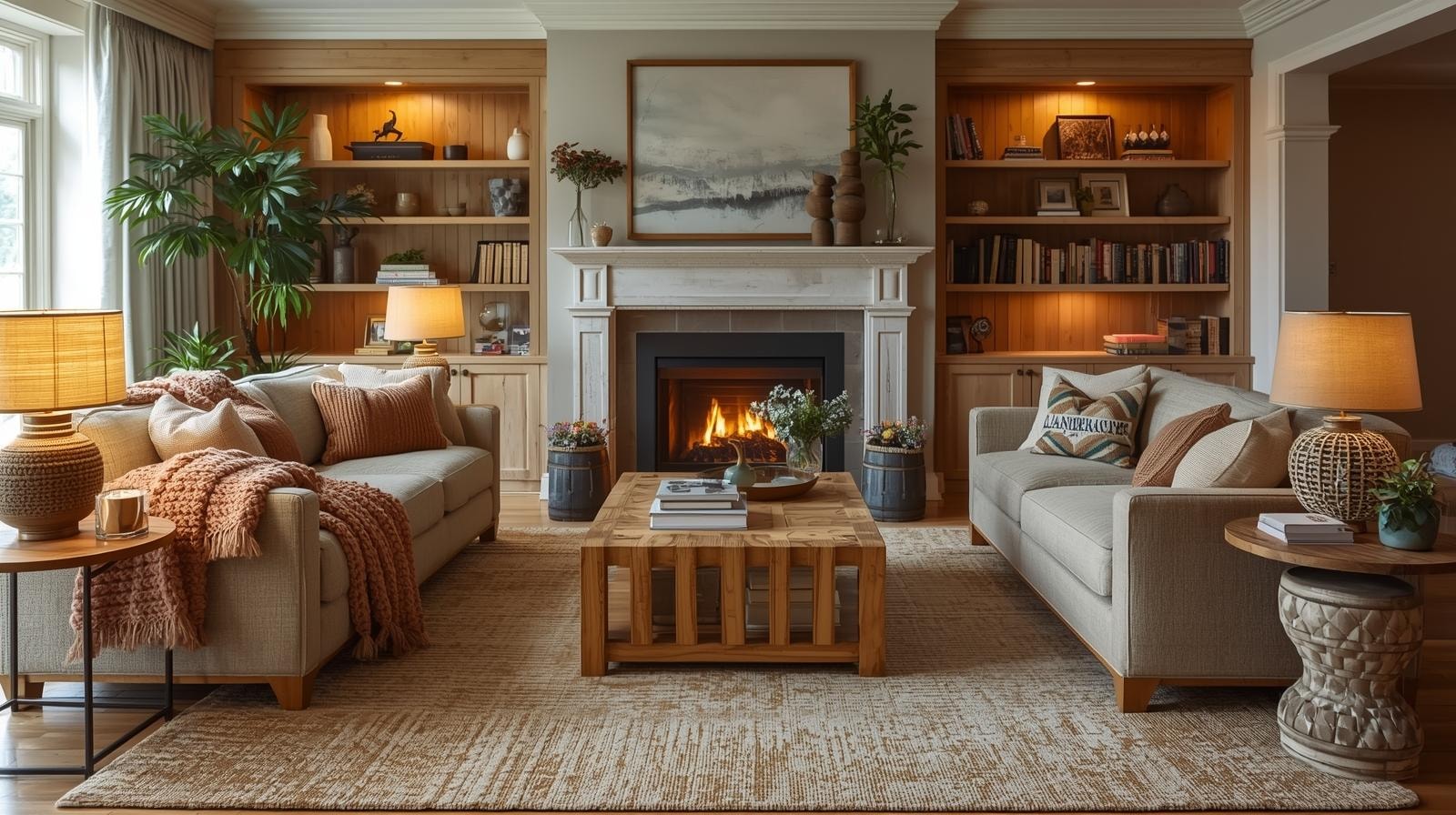
Here is a design principle we use often to ensure balance in a space:
- Seventy percent of the room should feel consistent and grounded.
- Thirty percent can introduce contrast and personality.
You might begin with white walls, a neutral sofa, and wood furniture as your base. Then you layer in blue accent pillows, stunning art, warm throws, or patterned decor.
This balance keeps the space cohesive while still allowing for personality and creativity. It is a gentle way to experiment without overwhelming the room.
With balance in place, refine the details that often make or break a space.
Pay Attention to Proportion and Scale
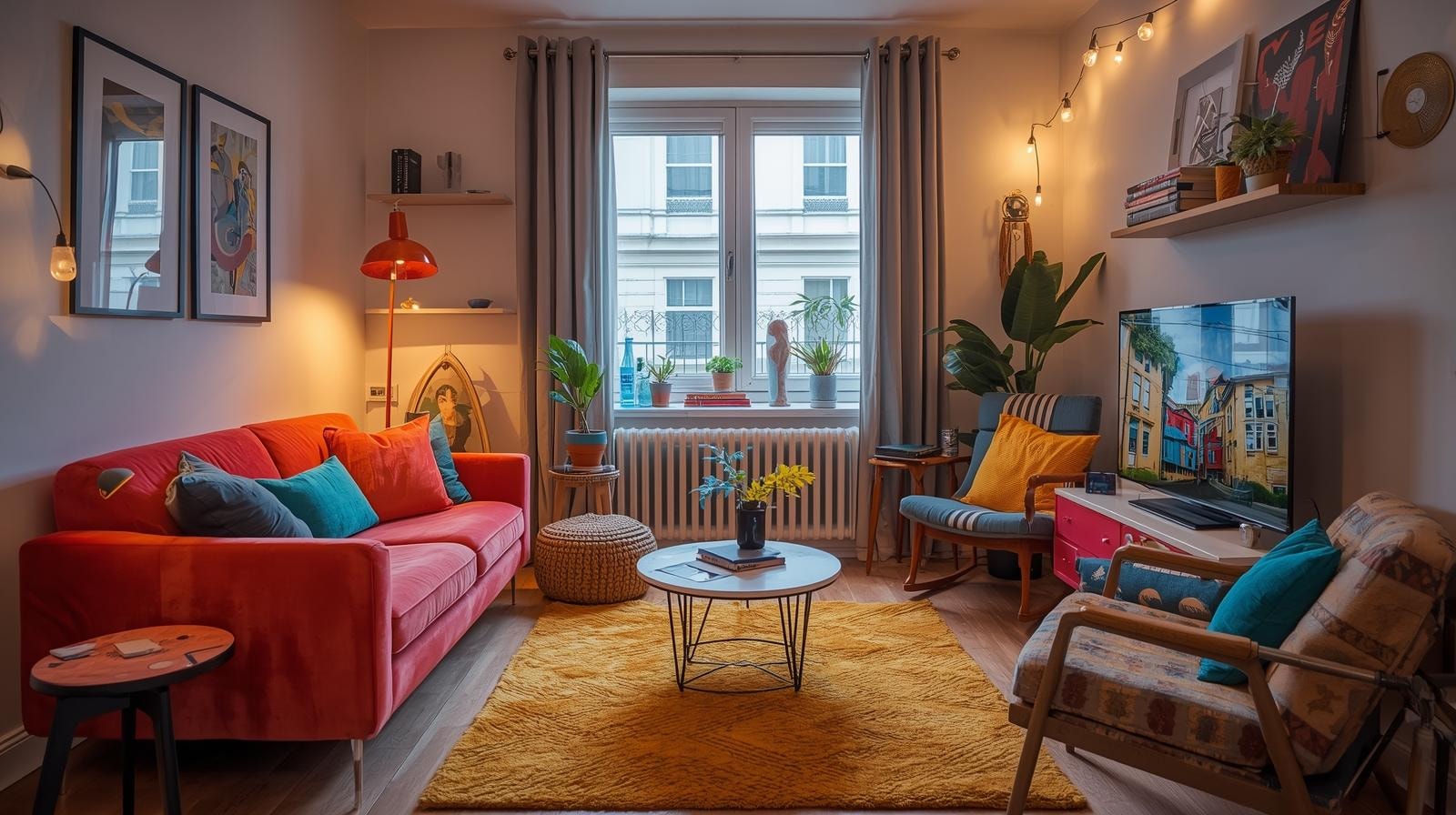
If something feels slightly off in your living room and you cannot explain why, it is often scale.
- Artwork above a couch should be about two-thirds the width of the sofa.
- A coffee table should feel proportionate to the seating area.
- Rugs should anchor all the furniture comfortably.
Avoid undersized pieces that make the room feel disjointed. Proper scale brings elegance and harmony.
Once the proportion feels right, we can soften the space and add warmth.
Layer in Texture for Warmth
Texture is what transforms a room from flat to inviting. Here are some of our favorite ways to add texture and warmth:
- Mix leather with linen.
- Add a wool throw across the couch.
- Incorporate wood through tables or shelving.
- Use woven baskets for storage.
Layering textures creates warmth and makes the room feel lived in. This feeling of comfort plays a major role in creating welcoming interiors. Texture brings emotional warmth, not just visual interest. [Source]
With texture in placlet’st’s soften the lines of the room.
Introduce Curves to Add Movement
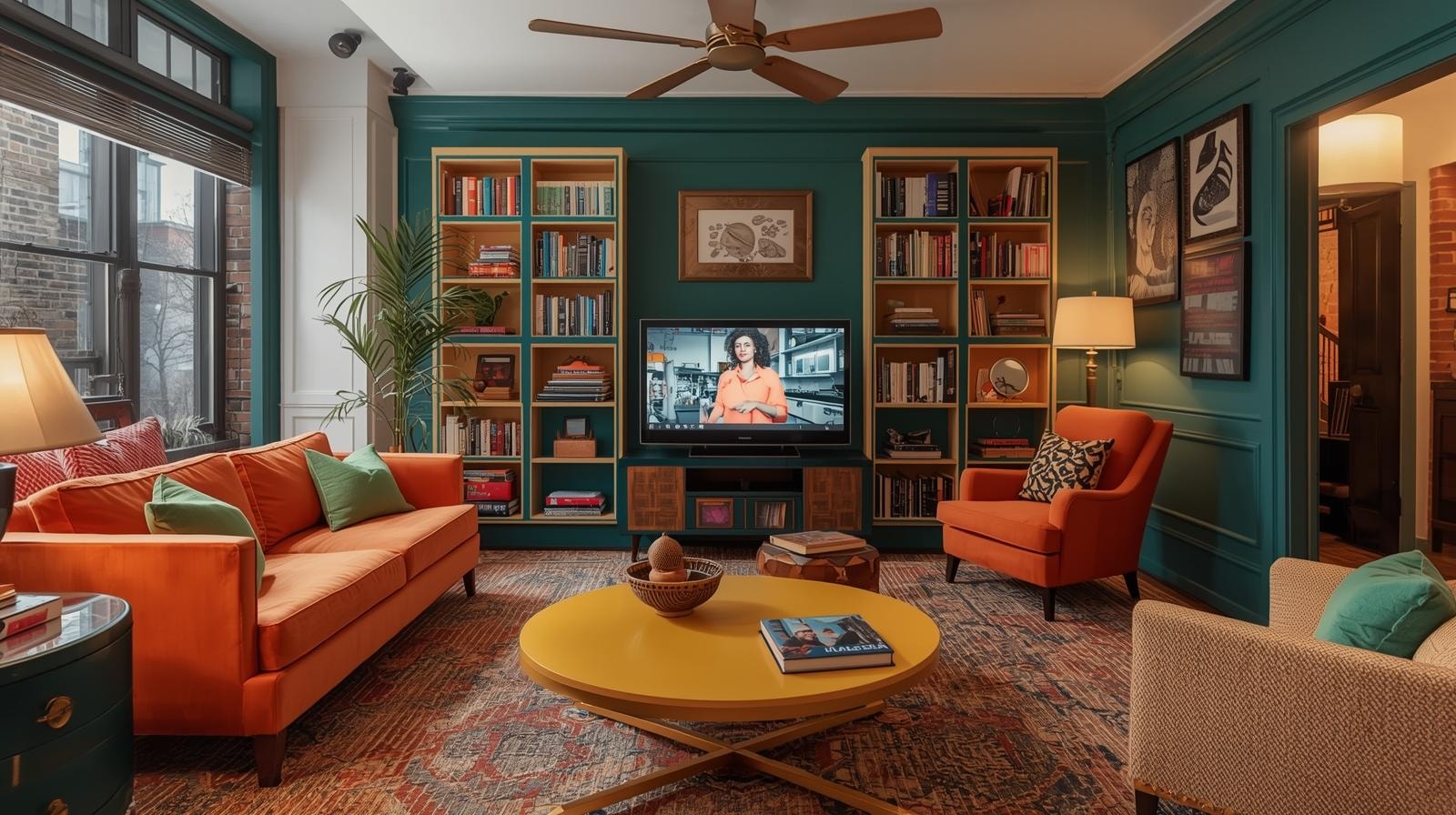
Most living room layouts rely heavily on straight lines. Sofas, walls, doors, and bookcases often create a rigid structure. But by adding curves, you can balance this. Look for decor accents that have curves like:
- A round coffee table.
- An arched mirror.
- A curved chair.
- Circular lighting.
Curves add movement and quiet elegance. With the shape balanced, now it is time to bring life into the room.
Bring in Greenery
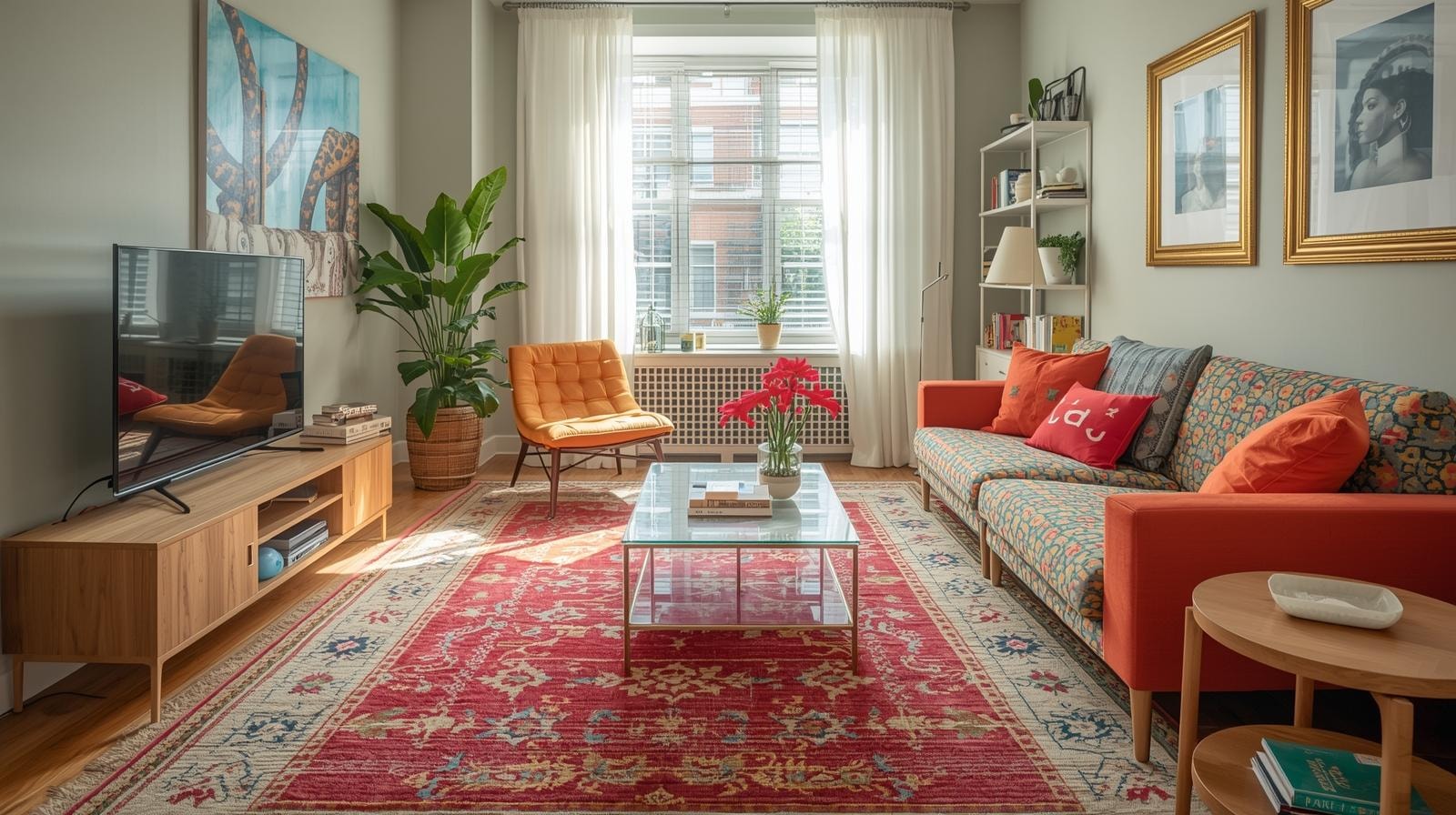
Plants add natural color and warmth. There is something magical about the way plants and greenery can bring a room to life. Here are our simple but effective tips for adding a bit of life to your room:
- A single potted plant near a window can make a room feel fresh and airy.
- Greenery adds softness and complements other decor elements beautifully.
- Natural elements help the room feel vibrant and grounded at the same time, think wood, woven rugs, and linen fabrics.
Now that the room feels alive during the day, let’s talk about how it feels at night.
Layer Your Lighting
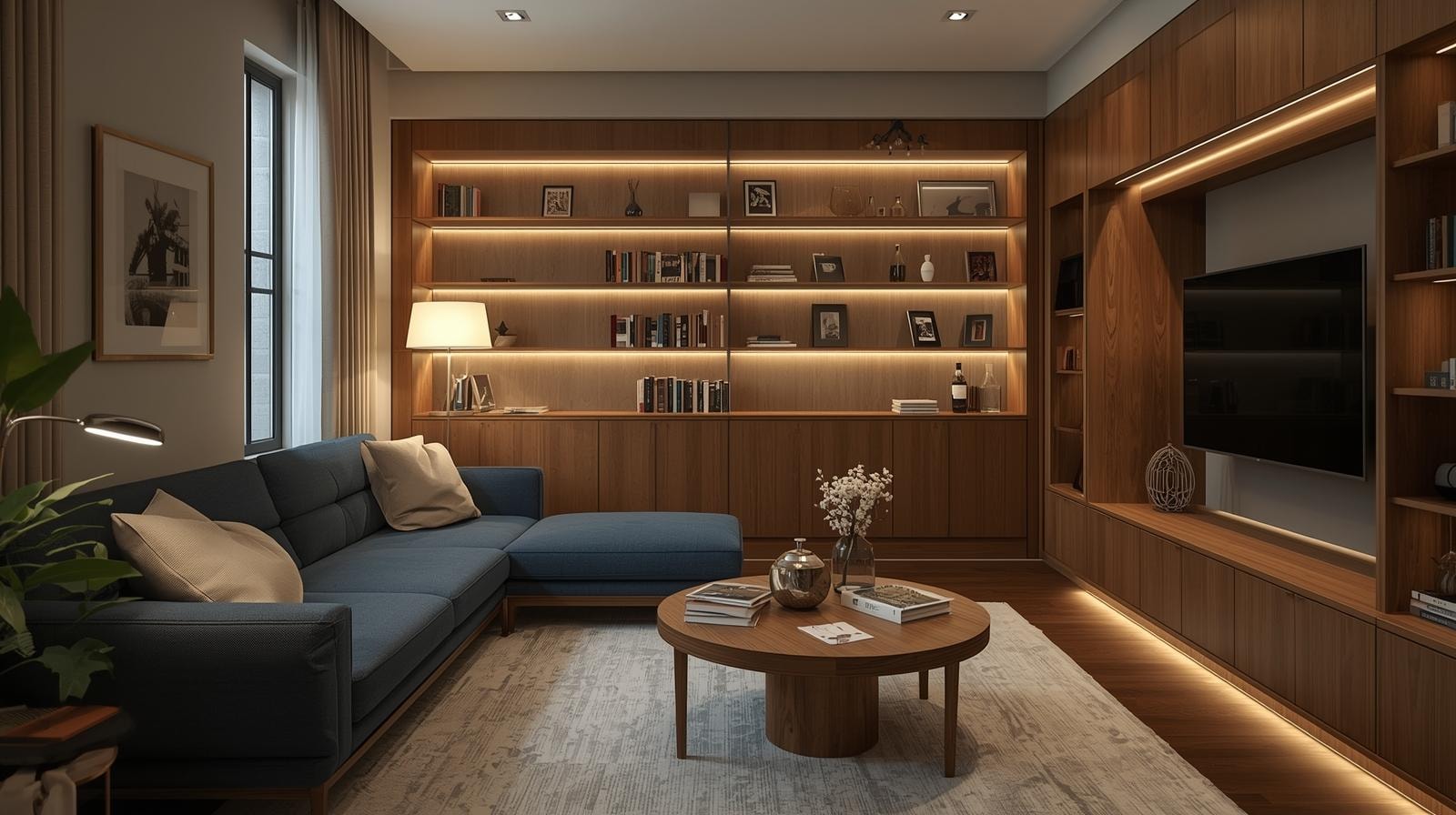
Lighting is about atmosphere, not just brightness. Relying only on overhead lighting can make a room feel flat. Instead, layer your light sources.
- Add table lamps near the sofa.
- Place a floor lamp in a reading corner.
- Highlight art or built-ins with accent lighting.
Layered lighting creates warmth and supports easy entertaining when guests are over. It allows you to adjust mood and function throughout the day.
Once the room looks beautiful, it also needs to function beautifully.
Make It Functional for Real Life
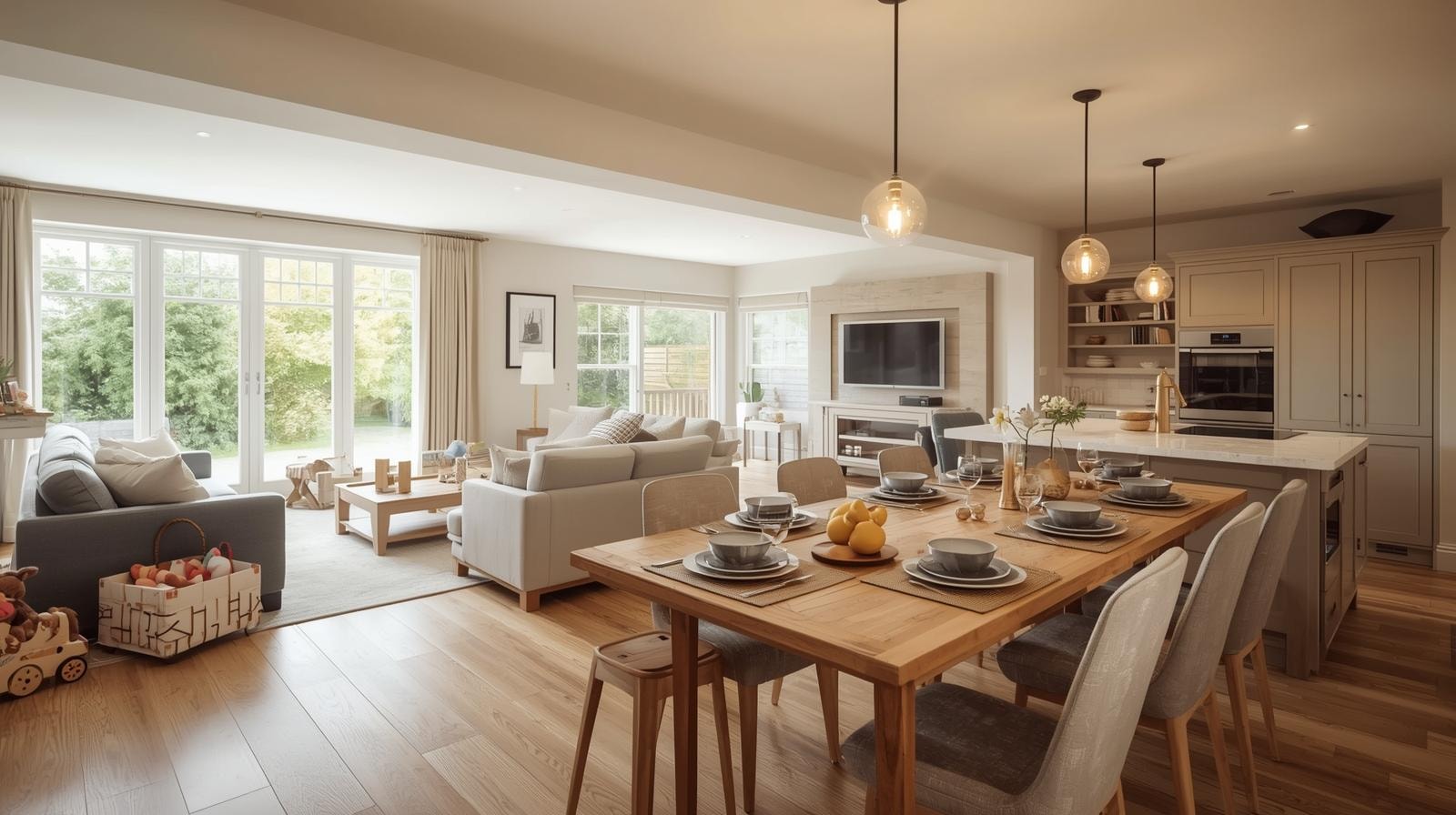
Decorating is not about creating a showroom, you need to think about how your family uses the space. Ask yourself these questions:
- Where do drinks sit during gatherings?
- Where do children do homework?
- Where do guests move during meals in a living room dining room combo layout?
Built-ins, bookshelves, and smart storage solutions help maintain order without sacrificing style. A bookcase can define a corner. A well-placed table can double as a dining or work surface.
Decorating should support daily life with quiet practicality.
Before you feel the need to replace everything, take a look at some of our budget-friendly living room decorating tips.
Budget-Friendly Ways to Refresh the Room
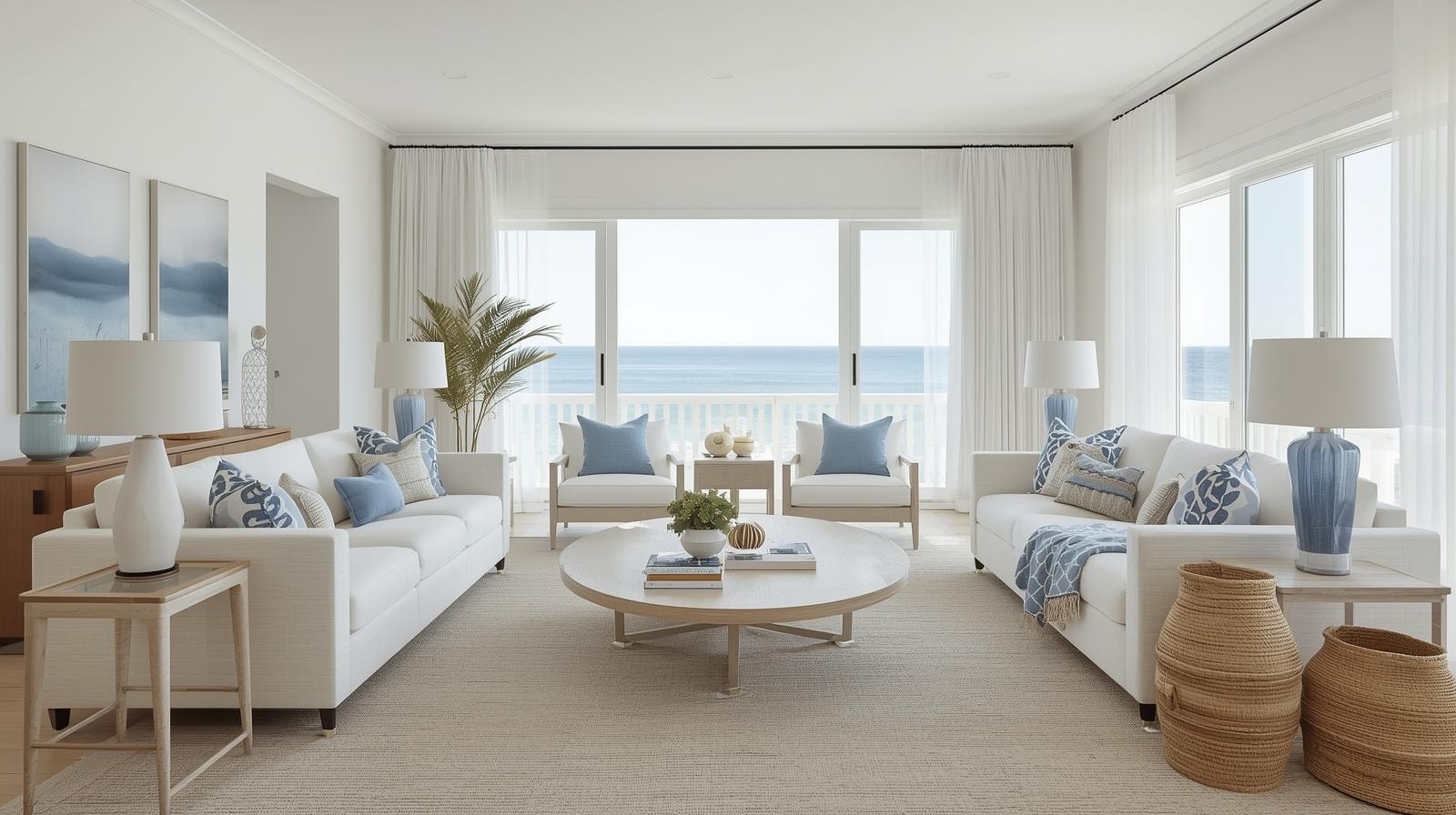
You do not always need new furniture.
- Try rearranging what you already own.
- Move the art to a different wall, shift the sofa, or reposition the seating.
- A fresh coat of paint can also dramatically change the atmosphere. Even slightly warmer white walls can make the room feel more intentional and inviting.
Apartment Therapy highlights how layout adjustments can transform a space. This is something we see happen frequently in our work.
After making changes, there is one final step.
Test the Layout Before Calling It Done
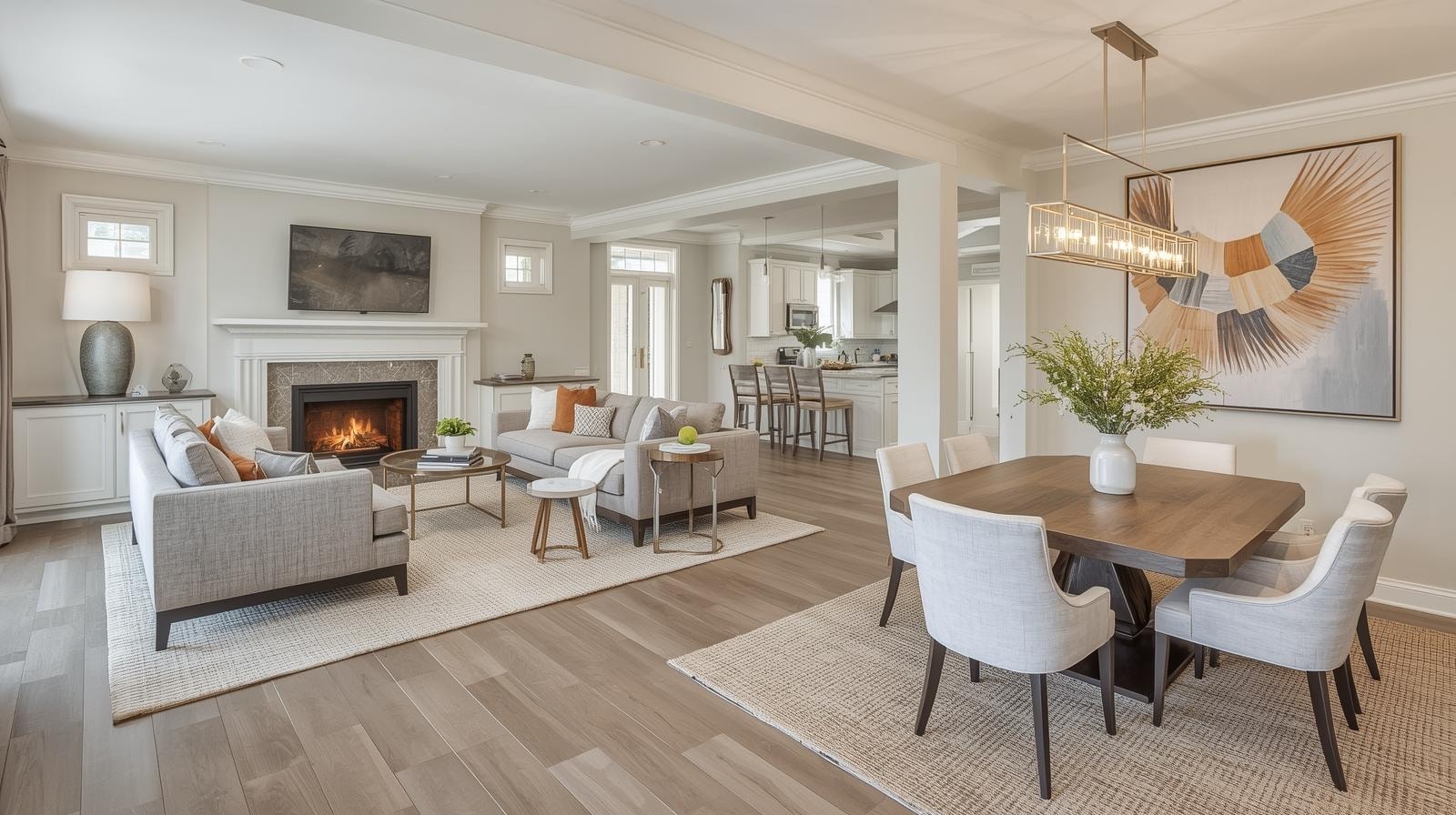
Live in it, walk through the room, sit in every chair, move between the living room, dining room, and kitchen, host guests, and see how the flow feels. We truly believe that good design is tested and not rushed!
Designing a Living Room That Feels Like You
At the end of the day, how to decorate your living room is not about copying trends. It is about creating a welcoming space that supports lounging, entertaining, relaxing, and gathering. It is about balance, warmth, light, and personality. At Wolfe-Rizor Interiors, we believe living room design and furniture choices should reflect real life. Whether you are designing a TV room, working with an open floor plan, or refreshing a new home, intentional structure and thoughtful styling will always make the difference. If you ever feel unsure, that is what we are here for. We would love to help you create a living room that feels balanced, functional, expansive, and beautifully yours. Contact our team today and let us help you design and decorate the living room of your dreams.
Frequently Asked Questions About Living Room Layouts
How do I design a dining room that flows with my living room?
When designing a dining room that connects to your living room, focus on repeating colors, finishes, and materials throughout the house to create a cohesive look. The best living room inspiration often comes from keeping one consistent palette and layering texture instead of introducing completely new styles. Professional designers are not afraid to mix pieces thoughtfully to achieve balance without making the spaces feel identical.
What should I consider when choosing a dining table for an open floor plan?
Your dining table should fit the room’s scale while allowing comfortable movement around it, especially when chairs are pulled out for food and gatherings. A good rule is to ensure the dining space feels intentional rather than cramped. Many designers suggest using visual boundaries, such as lighting or rugs, to create structure in an open layout.
How can I use living room inspiration to decorate my entire house?
Living room inspiration is a great starting point because it often sets the tone for the entire house. Look at the colors, textures, and furniture shapes you are drawn to, then repeat those elements in subtle ways in other rooms. Designers often recommend putting together a small mood board so you are not afraid to make decisions with confidence.
How do I style a coffee table so it feels finished but not cluttered?
Start by putting together a simple grouping that includes height, texture, and one personal piece that reflects your inspiration. Designers often suggest balancing something practical with something decorative so the table works for real life while still looking styled. Do not be afraid to remove one item if it feels crowded, since editing is often the key to achieving a polished look.
Are built-ins worth adding to a living room or dining space?
Built-ins can completely transform a room by adding storage, structure, and a custom feel that enhances the entire space. They help define zones in open layouts and give you a place to display meaningful decor or store essentials neatly. Designers love built-ins because they deliver both beauty and function, especially in homes where every inch counts

Recognized for their alluring interior spaces, Wolfe-Rizor Interior Principals, Abigail Rizor and Hattie Wolfe, represent unsurpassed attention to detail and luxury. The experienced, collaborative mother and daughter design duo provides turnkey interior solutions. More than decorated rooms, Wolfe-Rizor executes interior spaces designed to encompass a client’s unique lifestyle as they set the tone for elevated ambiance.